
Bathroom Remodeling in Home Garden, CA
A Mile and a Half From Hanford, on a County Permit
Home Garden sits about a mile and a half southeast of Hanford and sits inside the same postal code, which leads a lot of people to assume it shares its permit counter too. It does not. Home Garden is unincorporated, so building permits route through the Kings County Community Development Agency rather than the City of Hanford Building Division. Water and sewer come from the Home Garden Community Service District, a separate system from Hanford's municipal supply. Those two facts are the whole difference, and they are enough to trip up a contractor working from a Hanford address list. The community is small, around 1,653 residents at the 2020 census on well under half a square mile, and the housing reflects that: modest single-family homes on compact lots, a high share of them rented rather than owner-occupied. There is no historic district here and no design review body to satisfy. Once the county permit is in hand the work proceeds without an additional review layer.
Rental Property and Owner-Occupied Work
The rental share matters practically, because roughly 54.9 percent of residents here live in rental housing and landlord work and homeowner work are different projects. A rental bathroom that has to turn over quickly calls for durable, serviceable choices and a schedule set against a vacancy, not a family's holiday plans. An owner-occupied remodel in the same community can take the longer route toward the finish level the owner actually wants. We quote both and do not pretend they are the same job. Either way the permit, where one is needed, goes to the Kings County Community Development Agency, and any plumbing change gets confirmed against the Home Garden Community Service District connection first. The Kings County Housing Authority serves this area as well. Housing stock is largely older single-family construction, which usually means reachable plumbing and, in some cases, original supply lines worth replacing while a wall is already open.
Kitchen Remodeling in Home Garden
ADU conversions in Home Garden are permitted through the Kings County Community Development Agency, and the state rules apply here exactly as they do inside a city. What differs is scale. Lots in this community are compact, on a footprint well under half a square mile, so the realistic conversion is usually an existing attached space or a garage rather than a new detached structure. Two limiting factors get checked first: the plumbing route from the main house to the proposed unit, and what the Home Garden Community Service District connection supports for a second kitchen and bathroom. Because the district is a small system serving a community of about 1,653 residents, that second question deserves an answer before any design work rather than after. We contact the district and the county before recommending a direction, so nobody pays for drawings against a connection that will not carry the unit.
Bathtub and Shower Work in Home Garden
Flooring work in Home Garden is mostly in older single-family housing, and a good share of it is rental property where the material decision is about service life rather than appearance alone. Between tenancies, a floor that tolerates moisture and hard use and can have a damaged section replaced without redoing the room pays for itself quickly. In owner-occupied homes the calculation opens up and appearance carries more weight. Either way the assessment starts underneath. On a raised foundation the questions are joist deflection and subfloor soundness, checked from the crawlspace. On slab they are moisture content and flatness, and low spots get ground or floated rather than covered and hoped over. Housing here dates largely from before the community's 2020 census profile settled into its current shape, so several accumulated layers of old flooring is a common find. We test before recommending material, not after.
ADU Conversions in Home Garden
Kitchens in Home Garden are generally compact, and compact kitchens reward storage and layout efficiency more than they reward expensive finishes. Refacing sound cabinet boxes, adding usable counter run and improving lighting will change how a kitchen of this size functions more than a material upgrade will. Where boxes have taken water at the sink base, which is common in older housing here, replacement is the better spend and we will say so rather than reface something that will fail again. If a layout change is genuinely needed, the permit goes to the Kings County Community Development Agency rather than a city counter, and the Home Garden Community Service District connection gets confirmed before any plumbing is relocated. For rental property, we also price a version that keeps the kitchen serviceable on a turnover schedule, because that is a different project from an owner's remodel.
Bathrooms and kitchens, built for Kings County homes
Proudly serving Hanford, Armona, Home Garden, Lemoore, Corcoran and Goshen for years.
Comprehensive Kitchen and Bathroom Remodeling Services in Hanford
Tailored to Your Needs
Ten services, from a tub-to-shower conversion that finishes in a week to an ADU conversion that carries its own plan review. They are not the same kind of project and they do not price the same way. Start with the one that matches what you actually want changed.
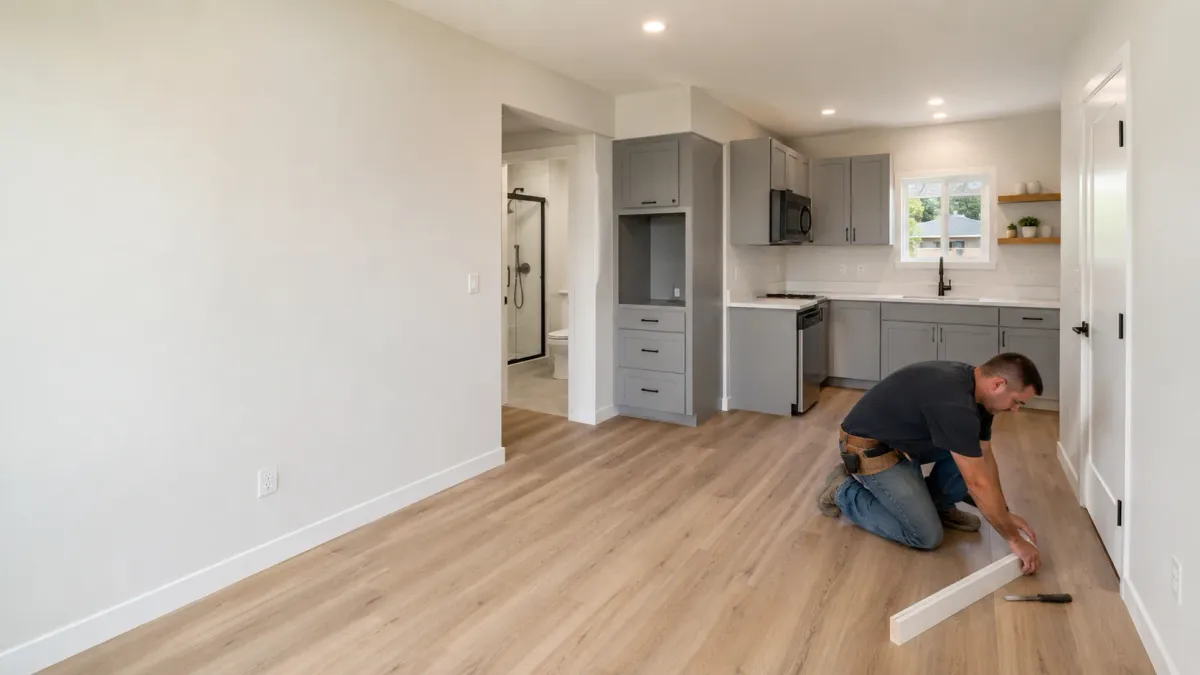
An ADU conversion turns existing enclosed space into a permitted, independently plumbed dwelling unit.
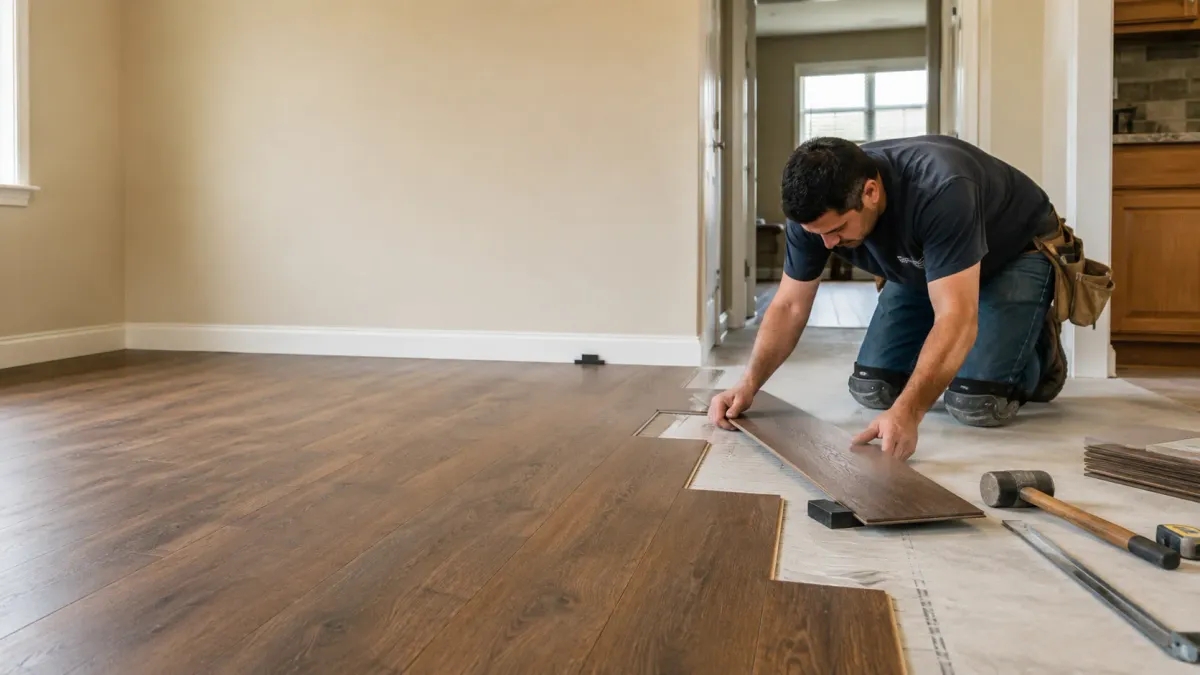
Flooring installation begins with what sits under the floor, not what goes on top.
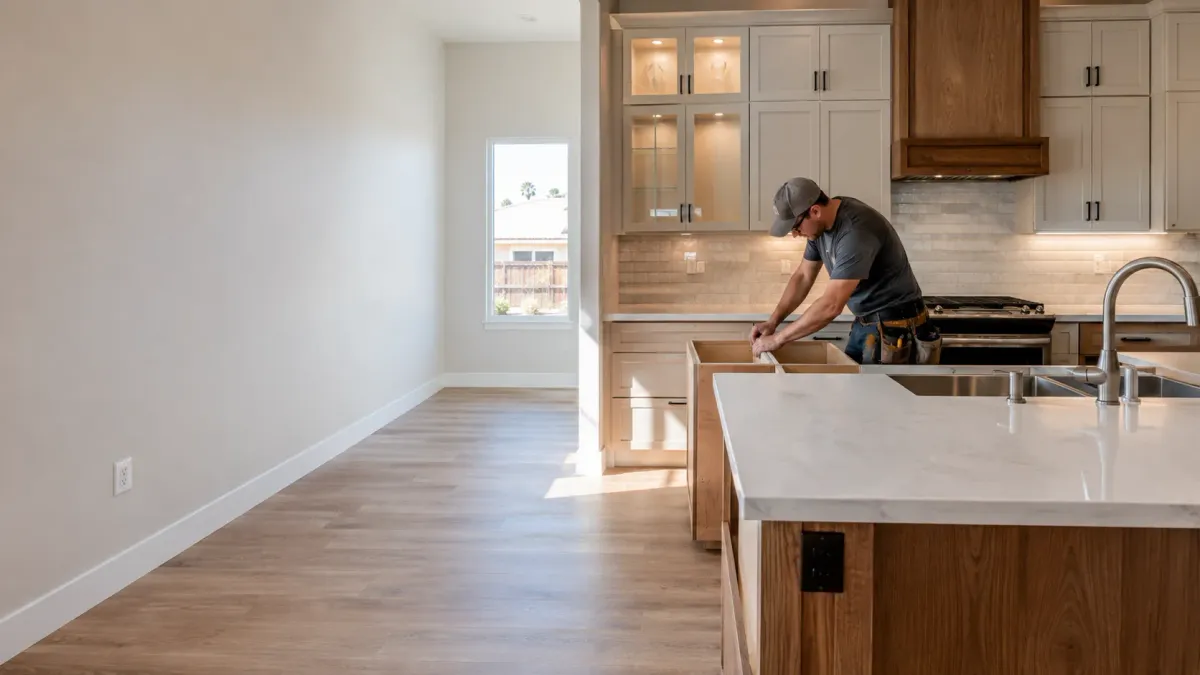
A kitchen remodel is priced by whether the layout moves, not by the cabinets.
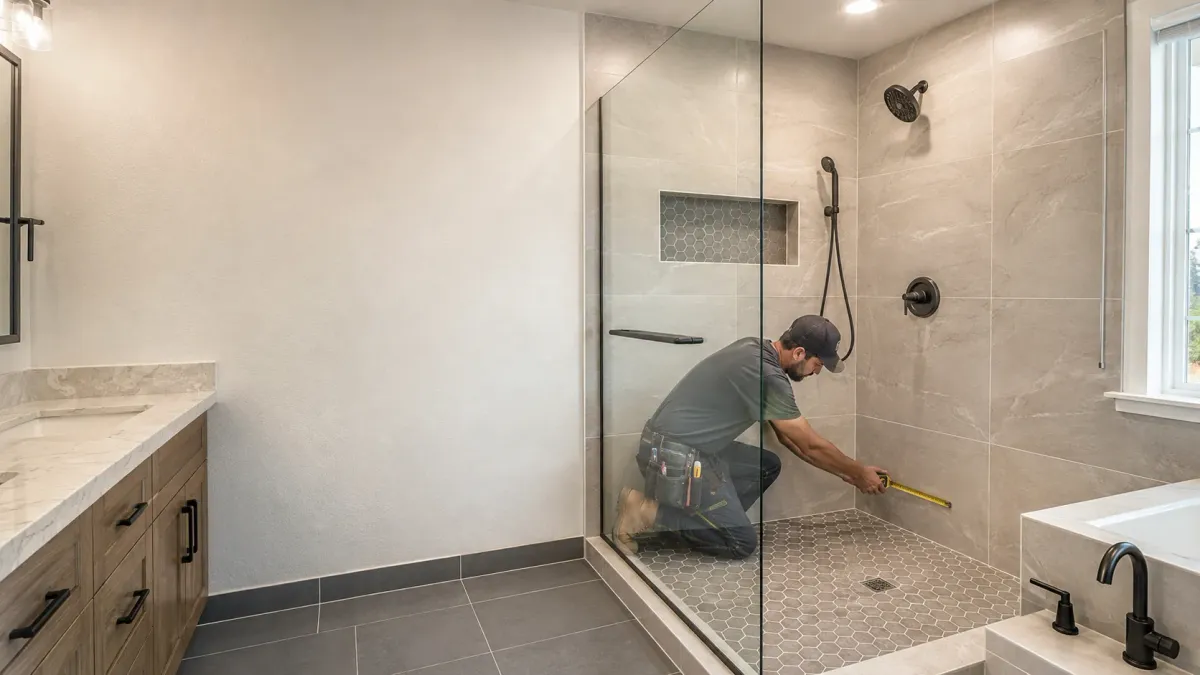
A tub to shower conversion succeeds or fails on the drain location and the pan.

Walk-in shower entry height is a structural decision, not a style decision.
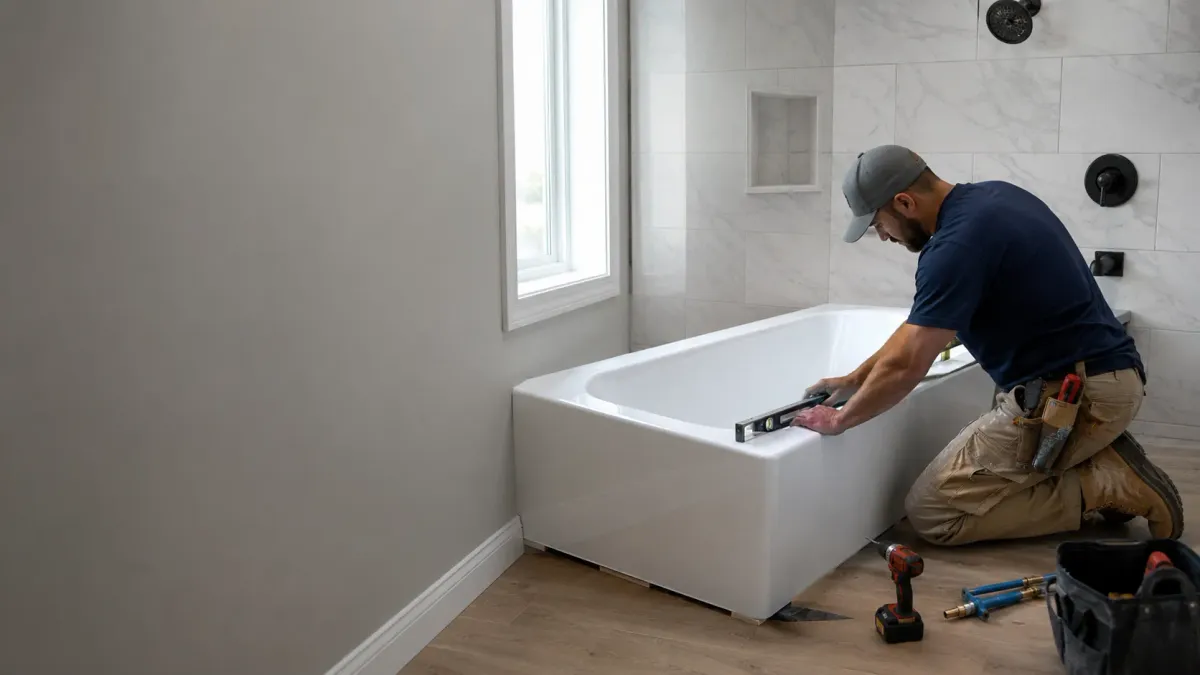
Bathtub replacement is straightforward until the wall comes off and something is wet.
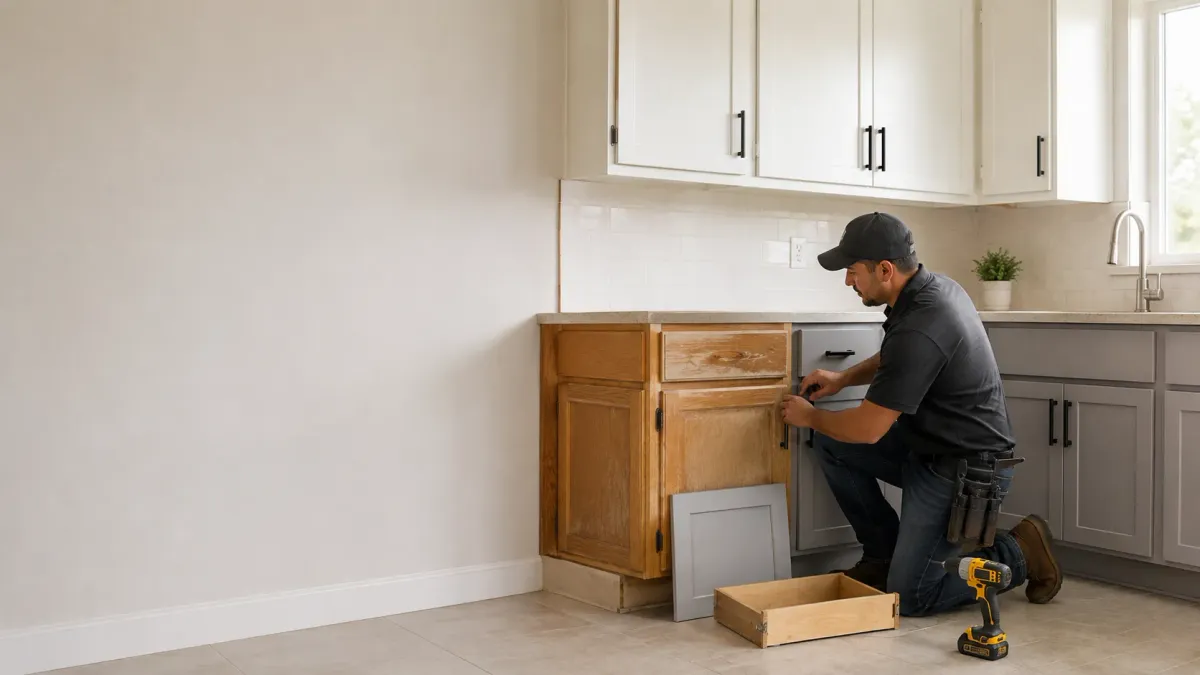
Refacing works when the boxes are sound and the layout already suits you.
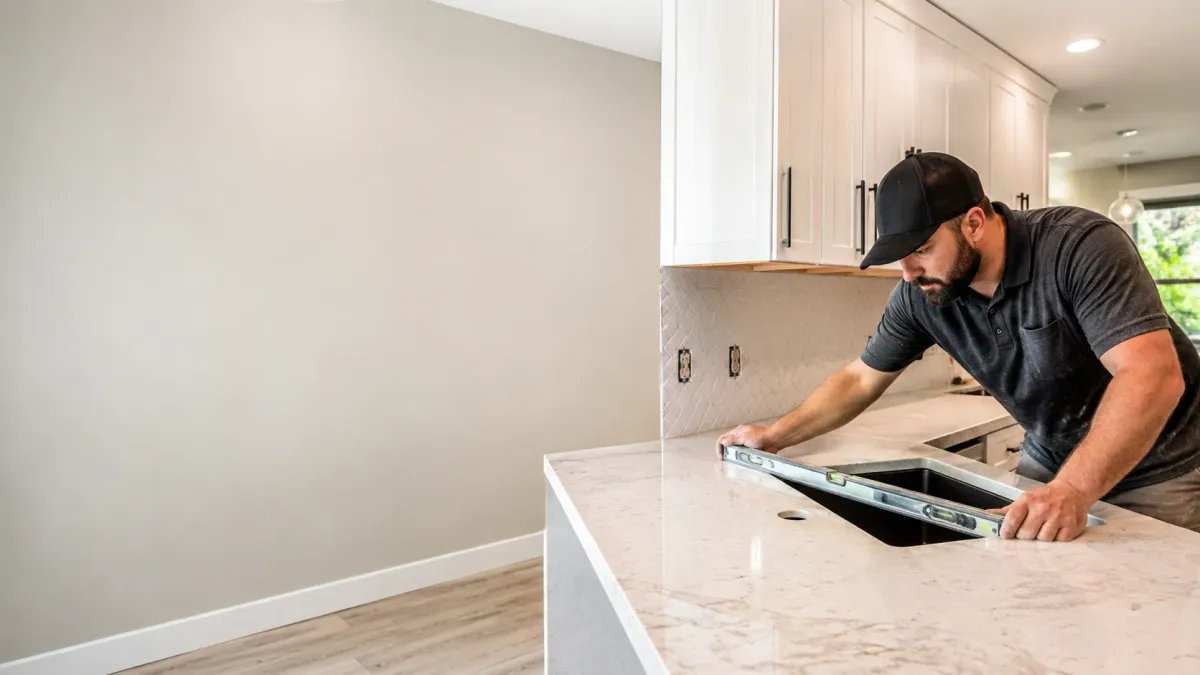
Countertops are templated to what is built, never to what was drawn.
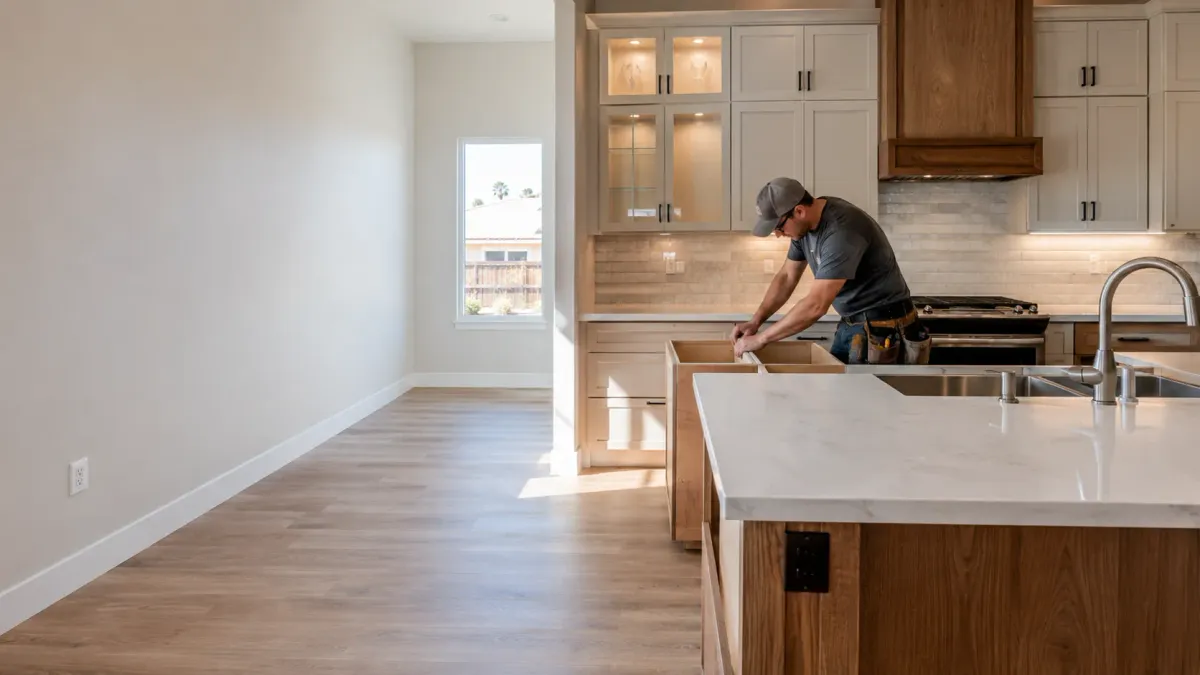
Everything after cabinets depends on the cabinets being level and square.
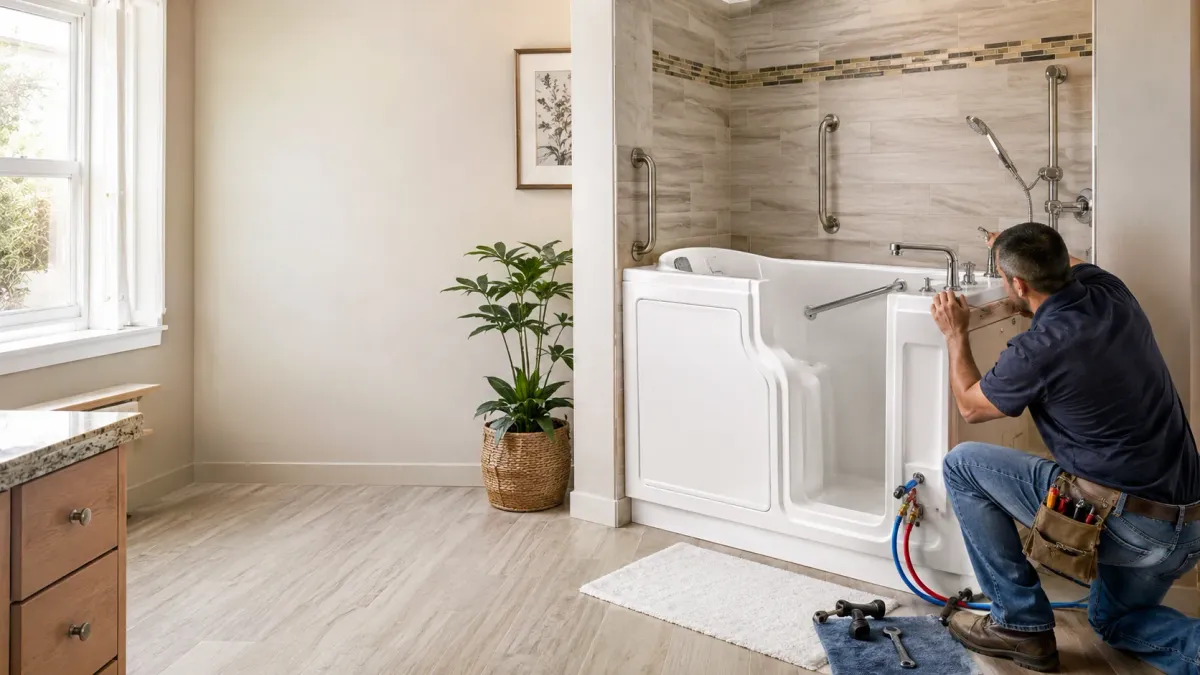
A walk-in tub trades a low step-in for a longer fill and drain cycle.
Frequently Asked Questions
Kitchen and Bathroom Remodeling can be complex, and we’re here to provide answers to common questions. Here are some frequently asked questions from our clients.
Frequently Asked Questions about bathroom remodeling Hanford CA
How much does a bathroom remodel cost in Hanford CA?
There is no single price for a Hanford bathroom remodel, and any number quoted before someone looks behind your wall is a placeholder. Cost follows whether fixtures move, whether the supply and waste lines get replaced while the wall is open, and what the permit scope turns out to be. A refresh that keeps the toilet, tub and vanity where they are and a remodel that relocates the drain are different jobs with different inspections. We price after a walkthrough.
How much does a kitchen remodel cost in Hanford CA?
Kitchen cost is driven by three decisions before it is driven by anything else: whether the cabinets get refaced or replaced, whether the layout changes, and what goes on the counters. Refacing existing boxes and installing a full new run are separated by more than materials, because a layout change pulls in plumbing and electrical work and the permit that comes with it. Tell us which of the three you are actually considering and we can narrow the range quickly.
Do I need a permit for a bathroom remodel in Hanford CA?
Usually yes, once the work goes past finishes. Swapping a vanity top or retiling a wall generally does not trigger one; moving a fixture, altering supply or waste lines, changing the electrical, or replacing a shower pan generally does. Permits for homes inside the city go through the City of Hanford Building Division, and all submittals now have to meet the 2025 California Building Code. We pull the permit as part of the job rather than leaving it with you.
How long does a bathroom remodel take?
Schedule follows the inspection sequence, whether fixtures move, and lead times on tile, glass and any special-order vanity. A single-room refresh in the existing footprint and a remodel that relocates the drain are not comparable timelines. Rough-in inspection has to clear before walls close, and that step sets the pace on most jobs. We give a date range in the written scope and tell you which item is most likely to move it.
What bathroom remodeling permits are required in Kings County?
It depends which community the house sits in, which catches a lot of people out here. Homes inside Hanford permit through the City of Hanford Building Division, while Armona and Home Garden are unincorporated and route through the Kings County Community Development Agency instead. Lemoore and Corcoran each run their own building departments, and Goshen sits in Tulare County entirely. We confirm the correct authority before the walkthrough, not after the plans are drawn.
How do I find a licensed bathroom contractor in Hanford CA?
Ask for the CSLB license number and check it yourself on the state board's site. Then ask two things most homeowners skip: who pulls the permit, and whether the crew doing the work is the contractor's own or subbed out job by job. A contractor who pulls the permit under their own license is on the hook for the inspection. One who asks you to pull it as the owner is moving that liability to you.
Still Have Questions About bathroom remodeling Hanford CA?
Speak With a Trusted Kitchen and Bathroom Remodeling Expert Today.
The Trusted Kitchen and Bathroom Remodeling Expert Near You
Ready to hear more about expert services at ?
Contact us today to receive a detailed, no-obligation quote.


